Beginner Drones
Find GPS camera drones for stable outdoor flight, return-to-home control, travel shooting, and everyday aerial capture.
Welcome to RCDronego — Shop practical drones for different flying needs.
Showing all 5 resultsSorted by latest
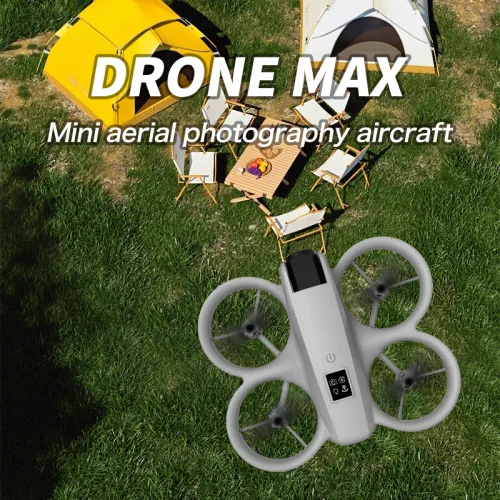
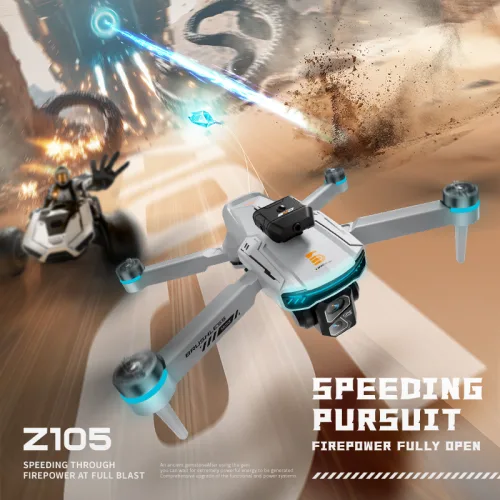
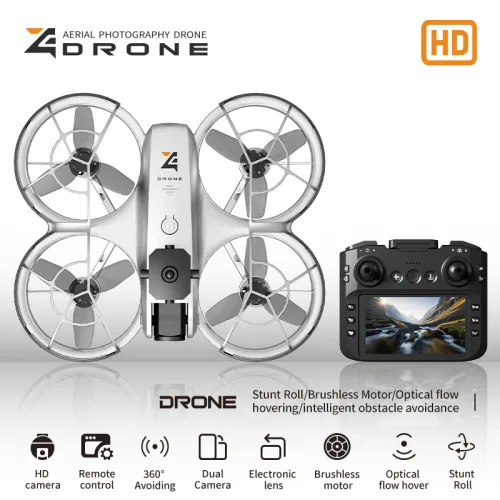
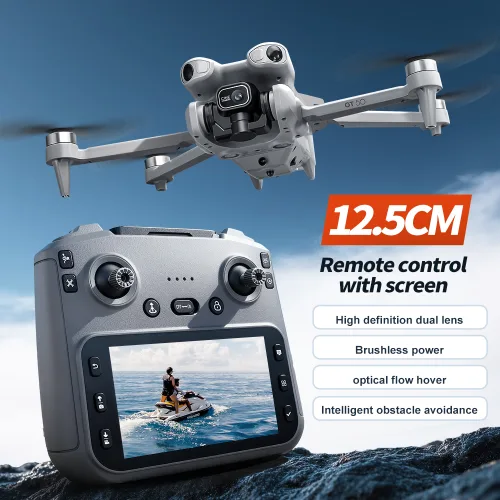
Beginner drones are made for first-time pilots who want easier control, steadier hovering, and a safer first-flight experience. A good beginner drone should help users build confidence before moving into faster, longer-range, or more advanced camera models.
For new flyers, the most important features are not always the biggest camera resolution or longest range. Simple controls, stable hover, propeller protection, one-key takeoff, and a lightweight body often matter more because they make early practice easier and less stressful.
Many first-time buyers worry about crashing, losing control, or choosing a drone that is too complicated. Indoor flying can be especially difficult because space is limited, walls are close, and exposed propellers can easily touch objects during practice.
New pilots may also struggle with direction control. When the drone turns around, forward and backward can feel confusing. If takeoff and landing are difficult, beginners may lose confidence before they learn basic control.
A beginner drone should make the first few flights easier. Optical flow hover can help the drone stay steadier at low altitude. One-key takeoff and landing reduce pressure during the most difficult moments. Propeller guards or caged frames can make indoor practice more forgiving.
If the buyer cares more about aerial photos and video than first-flight safety, compare the Camera Drones collection before choosing. If outdoor positioning and return support are more important, the GPS Drones collection may be a better fit than a basic beginner model.
Caged mini drones are useful for indoor practice and safer first flights. Their protected propeller design helps reduce blade contact, making them easier for new pilots to handle in smaller spaces.
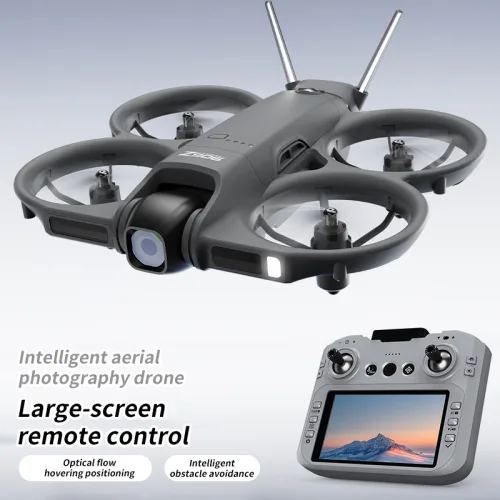
Optical flow beginner drones are helpful for low-altitude practice because they can hold position more steadily than basic manual-control models.
Screen remote beginner drones are useful for users who want live viewing without relying only on a phone app. This can make first flights feel more direct and easier to understand.
Lightweight drones are easier to carry, store, and control. They are often a practical option for gifts, younger users, and buyers who want a simple first drone.
| Feature | Why It Matters |
|---|---|
| Propeller Guards | Helps reduce blade contact during practice |
| Caged Frame | Better for indoor practice and first flights |
| Optical Flow Hover | Helps keep low-altitude flying steadier |
| One-Key Takeoff | Makes the first launch easier |
| One-Key Landing | Helps reduce landing stress for new pilots |
| Headless Mode | Reduces direction confusion |
| Lightweight Body | Easier to handle, carry, and store |
| Screen Remote | Helps users see the live view more easily |
Choose a caged or propeller-guard drone if the user will practice indoors or in smaller spaces. This type is more forgiving during early flights.
Choose a beginner drone with optical flow hover, one-key takeoff, and simple control modes. These features help new users learn basic movement with less pressure.
Choose a lightweight beginner drone with a simple control layout and safer propeller design. The goal should be easy practice, not maximum speed.
Choose a screen remote beginner drone if the user wants to see the camera view directly from the controller without depending only on a phone app.
Start with the pilot’s skill level first. For beginners, safer control, stable hover, and easy takeoff are usually more important than maximum speed, long range, or advanced camera specifications.
A beginner-friendly drone usually has simple controls, stable hover, one-key takeoff, one-key landing, and a lightweight body. Propeller guards or a caged frame can also make practice safer.
Some beginner drones are suitable for indoor practice, especially compact models with propeller protection or caged designs. Users should still fly in open indoor spaces away from people, pets, and fragile objects.
Not always. GPS is more useful for outdoor positioning and return support. Many beginner drones use optical flow hover for low-altitude practice instead.
A camera can make flying more fun, but new pilots should not choose by camera resolution alone. Easy control and stable hover are usually more important for the first few flights.
Lightweight drones are often easier to carry and less intimidating for new pilots. However, users should also compare control features, propeller protection, and hover stability.