Best Camera Drones for Beginners (2026 Buyer’s Guide)
Bywpdev
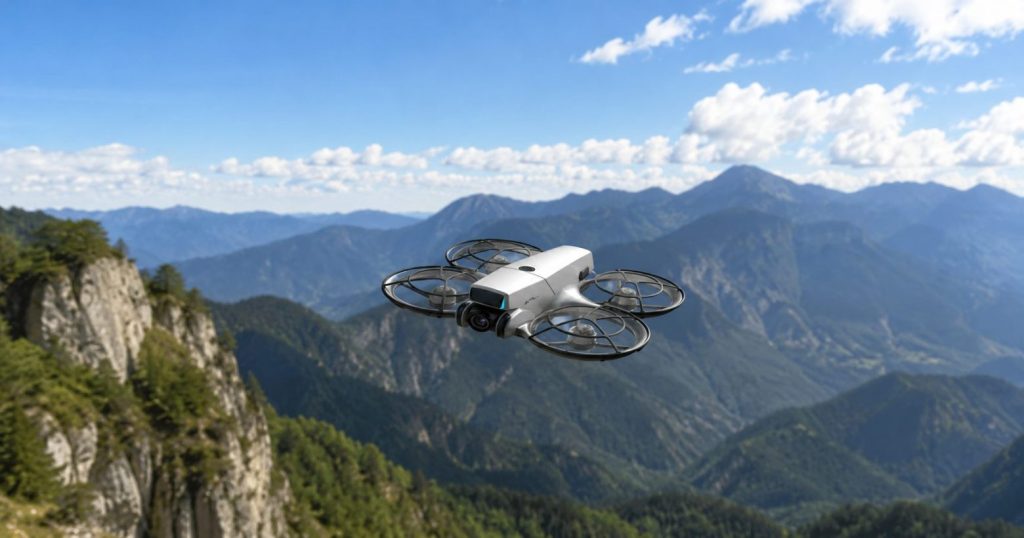
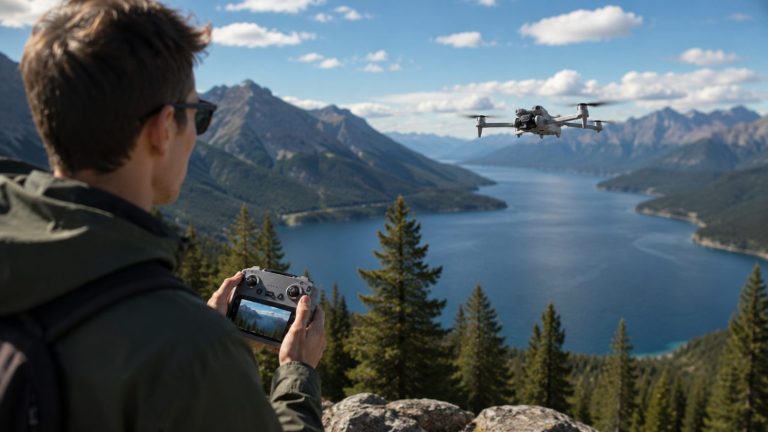
You’ve seen the shots — a coastline sweeping past from above, a mountain trail unfolding beneath you, a slow rise over a city at golden hour. Maybe you’ve thought, “I could never pull that off.” Here’s the truth: with the right beginner drone, you absolutely can, and it’s far easier than it looks. The best camera drones for beginners weigh under 250 grams, hold a rock-steady hover on their own, and arrive ready to fly the same day they land on your doorstep.
This guide is written for one person: someone who’s never flown a drone but wants to start capturing footage that makes people ask, “Wait, you shot that?” We’ll walk through what actually matters when you buy your first camera drone — sensor quality, flight time, hover stability, weight rules, and how much you really need to spend — so you can choose with confidence instead of guessing. No prior experience assumed, and every model we recommend stays under 250 grams, so you can fly without registration in most regions. By the end, you’ll know exactly which drone fits your budget and the kind of shots you want to make.
What Is a Camera Drone?
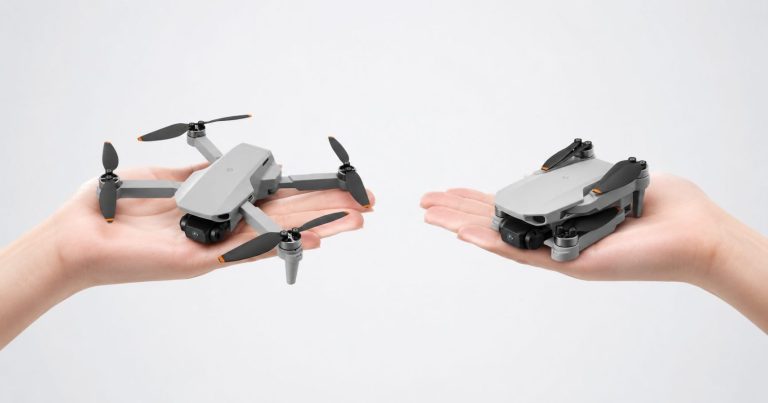
A camera drone is a small remote-controlled aircraft with a built-in camera designed to shoot photos and video from the air. Unlike toy drones that simply fly, a camera drone is built around image quality: it pairs a stabilized camera with positioning sensors that hold the aircraft steady so your footage stays smooth. Most beginner camera drones today use a 4K UHD camera, an optical flow sensor for low-altitude hover, and a folding or compact body you can carry in a daypack.
The defining trait of a beginner camera drone is that it does the hard part for you. Instead of fighting to keep the aircraft level, you point the camera and frame the shot while the drone holds its position automatically. That single feature — stable, hands-free hover — is what separates a usable camera drone from a frustrating one, and it’s the reason today’s entry-level models produce footage that would have required expensive equipment just a few years ago.
Do Beginners Need to Register a Camera Drone?
In the United States, the FAA does not require recreational registration for drones that weigh less than 250 grams (0.55 lbs). The European Union’s EASA uses the same 250g threshold, as do most other national aviation authorities. This is why nearly every beginner camera drone is engineered to land just under that weight — it lets you fly recreationally without filing paperwork.
That said, rules vary by country and change over time. Some regions require you to take a free online safety test even for sub-250g drones, and commercial use (earning money from your footage) almost always carries additional requirements regardless of weight. Always confirm the current rules with your local aviation authority before your first outdoor flight. For recreational, sub-250g flying in most places, though, you can take your camera drone out of the box and into the air the same day.
The 5 Things That Actually Matter for Your First Camera Drone
Spec sheets list dozens of numbers, but only five of them meaningfully affect your experience as a beginner. Focus on these and you’ll avoid both overpaying for features you won’t use and underbuying a drone that frustrates you.
1. Camera Resolution and Stabilization
4K UHD is the sensible minimum in 2026. It gives you enough detail for landscape footage, travel clips, and social media without the enormous file sizes of professional cinema rigs. Some beginner drones now offer a 6K option as well, which provides extra cropping room in editing. More important than raw resolution, though, is stabilization. Look for electronic image stabilization (EIS), which smooths out the small vibrations and wind buffeting that otherwise make aerial footage look shaky. A 4K camera with EIS will almost always produce better-looking video than a higher-resolution camera without it.
2. Hover Stability: Optical Flow Positioning
Optical flow is a downward-facing sensor that reads the texture of the ground to hold the drone’s position at low altitude. Combined with altitude hold, it lets the aircraft sit still in the air without any input from you — which is exactly what a beginner needs while learning to work the camera. Optical flow performs best indoors and at low altitude over textured surfaces like grass, pavement, or carpet. Every camera drone aimed at beginners should have it; if a listing doesn’t mention optical flow or a comparable positioning system, treat that as a warning sign.
3. Flight Time and Spare Batteries
Flight time is where budget drones most often disappoint. A drone that flies for only six or seven minutes per charge means you spend more time on the ground waiting than in the air shooting. Look for a listed flight time of at least 12 minutes, and strongly consider a package that includes two or three batteries. Swapping batteries is the single cheapest way to extend a shooting session, and because most beginner drones charge over a standard USB cable, you can top up from a power bank between flights.
4. Weight: Staying Under 250 Grams
As covered above, the 250-gram line is the difference between flying freely and dealing with registration in most regions. For a first drone, staying sub-250g is almost always the right call. It keeps you legal with minimal hassle, and it generally means a lighter, more portable aircraft you’re more likely to actually carry with you. Every camera drone recommended in this guide weighs under 250 grams.
5. Control Method: Phone, Screen Remote, or VR
Beginner camera drones are controlled in one of three ways. Phone-based control uses your smartphone as the screen and is the lightest, simplest option. A dedicated screen remote builds the display into the controller, so you don’t drain your phone battery or fumble with mounts — better for longer outdoor sessions. VR goggles give you a first-person view from the drone’s camera for an immersive flying experience, which is a different kind of fun but a steeper learning curve. There’s no single “best” choice here; it depends on how and where you plan to fly.
How Much Should a Beginner Spend on a Camera Drone?
For a capable sub-250g camera drone with a 4K camera, optical flow hover, and a real flight time, beginners should expect to spend somewhere in the $150 to $260 range. Below roughly $100 you’re usually looking at toy-grade drones with weak cameras and unstable hover that tend to disappoint quickly. Above $300, you start paying for advanced features — longer range, GPS return-to-home, larger sensors — that most first-time buyers don’t need yet.
The sweet spot for a first camera drone sits in the low-to-mid $200s. That budget buys 4K video, stable optical flow hover, a sub-250g body, and usually a multi-battery package — everything you need to start shooting good aerial footage without paying for capabilities you’ll grow into later.
Best Camera Drones for Beginners: Our Picks
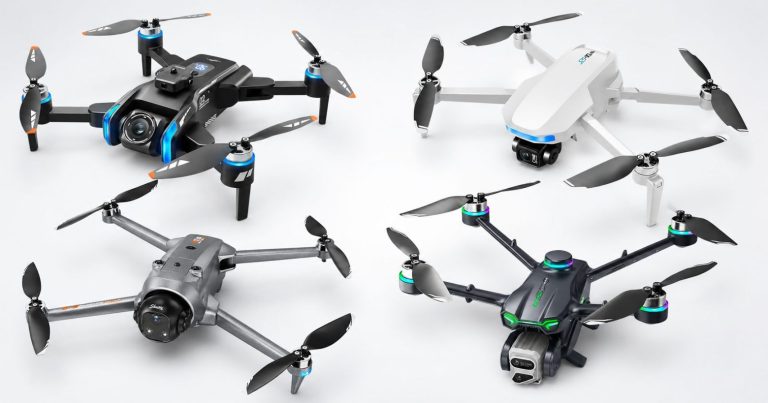
The models below are the camera drones we recommend most often for first-time buyers. Each is sub-250g, uses optical flow for stable hover, and is matched to a specific kind of beginner. Click any model to see full specs, photos, and current pricing.
Best All-Around Pick: GT8 (177g)
If you want the strongest all-around camera drone for content, the GT8 Foldable Optical Flow Drone is our top recommendation. It pairs a 4K camera (with a 6K option) and electronic image stabilization with the longest flight time in our lineup — up to 20 minutes per charge — which is more than enough for a full travel shooting session. At 177 grams it folds down to fit in a daypack and stays comfortably under the 250-gram registration threshold. Twenty minutes in the air is the difference between “I grabbed a couple clips” and “I got the shot” — and the EIS means that footage comes back smooth enough that people will ask what camera you used. For travel, landscape video, and everyday aerial content, this is the model most beginners should look at first.
Best for Immersive Flying: Aeri 100
If first-person flying appeals to you more than maximizing resolution, the Aeri 100 VR FPV Drone is the pick. Slip on the goggles and the rooftops drop away beneath you — you’re not watching a screen, you’re in the cockpit, banking over the treeline with the live feed streaming straight from the drone’s camera. It pairs a dual-camera system with optional VR goggles for that immersive view no screen can match, and it comes as either a standard app-controlled version or a VR version with the flying glasses included, so you can pick the experience that fits you. This is the most fun-focused option for beginners who want flying itself to be the experience, not just a means to a shot.
Best for Practice and Safety: 143g Optical Flow Drone
For the most cautious first-timers, the 143g Brushless Optical Flow Drone is built to take the fear out of learning. Clip a wall on day one? The propeller guard shrugs it off — no cracked blades, no sinking feeling in your stomach. At 143 grams it’s the lightest model in our camera lineup, and the included screen remote means you don’t have to mount your phone and hope for the best. The protected design and low weight make it the drone to build your confidence on before you move up to a longer-range model.
To compare all of these side by side, browse the full camera drones collection, where you can filter by feature and see current pricing on every model.
Which Camera Drone Is Right for You? A Quick Decision Guide
Still unsure which model fits you? The fastest way to decide is to start from how you plan to use the drone, not from the spec sheet. Here’s how the three picks map to common beginner goals.
If your main goal is travel photos and landscape video, prioritize flight time and stabilization, and choose the GT8. Its 20-minute flight time and EIS make it the most capable model for capturing scenery on a trip. If your main goal is the experience of flying itself — feeling like you’re in the cockpit — choose the Aeri 100 with VR goggles for a first-person view no screen can match. And if your main concern is learning safely without damaging the drone, choose the 143g model, whose propeller guard and light weight forgive the bumps every beginner makes early on.
If you’re torn between two models, default to the GT8. It’s the most versatile of the three and the one beginners are least likely to outgrow quickly, which makes it the safest single choice when you’re not sure exactly how your flying will evolve.
Common Mistakes First-Time Camera Drone Buyers Make
A few avoidable mistakes trip up most first-time buyers. The most common is chasing resolution over stabilization — a 6K number on a listing looks impressive, but a 4K camera with EIS will give you smoother, more usable footage than a higher-resolution camera that shakes. The second is ignoring flight time and ending up with a drone that lands after six minutes; always check the listed flight time and buy spare batteries up front. The third is buying too cheap: sub-$100 “camera drones” usually have unstable hover and poor cameras that teach bad habits and get abandoned in a drawer.
One more mistake is overlooking weight. It’s tempting to buy a heavier drone with more features, but crossing the 250-gram line triggers registration requirements in most regions and adds hassle you don’t need as a beginner. Starting sub-250g keeps your first experience simple, legal, and focused on actually learning to fly and shoot.
Camera Drone vs GPS Drone: Which Should a Beginner Buy?
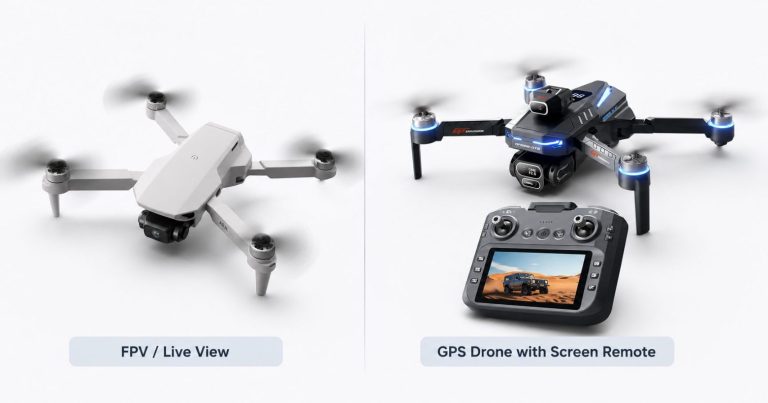
This is one of the most common questions first-time buyers ask, and the answer comes down to where and how far you plan to fly. Camera drones use optical flow positioning, which excels at close-range, low-altitude shooting indoors and outdoors in calm conditions. They’re lighter, simpler, and usually cheaper — ideal for someone whose goal is to capture footage in parks, backyards, and on trips.
GPS drones add satellite positioning, which enables more accurate hover at altitude, longer-range stability, and return-to-home functions that automatically fly the drone back if you lose signal or the battery runs low. If you specifically want to fly far, fly high, or have the safety net of automatic return, a GPS model may suit you better. If your priority is shooting good footage close to where you’re standing, a camera drone is the simpler and more affordable starting point. You can explore the full range of GPS drones if longer-range outdoor flying is your main goal.
Tips for Flying Your Camera Drone for the First Time
Once your drone arrives, a few simple habits will make your first flights smooth and keep your aircraft safe. Start indoors or in a wide-open outdoor space with no people nearby, and keep your first flights low — just a few feet off the ground — until you’re comfortable with how the controls respond. Practice hovering in place and making slow, gentle movements before you try to fly any distance.
Always check the battery level before taking off and bring the drone back down well before it runs low. Fly in calm conditions at first, since wind makes a lightweight drone much harder to control. And keep the aircraft within your line of sight at all times — both for safety and because it’s a legal requirement for recreational flying in most regions. Build your skills gradually, and within a few sessions you’ll be capturing the kind of aerial footage that made you want a camera drone in the first place.
Frequently Asked Questions
The best camera drone for a complete beginner is a sub-250g model with a 4K camera, optical flow hover, and a flight time of at least 12 minutes. The GT8 (177g) is our top all-around pick because it combines 4K/6K video, electronic image stabilization, and up to 20 minutes of flight time in a foldable body that stays under the registration threshold.
Most beginners should spend between $150 and $260 on their first camera drone. That budget buys a sub-250g body, a 4K camera, stable optical flow hover, and often a multi-battery package. Drones under $100 are usually toy-grade with weak cameras, while models over $300 add advanced features most first-time buyers don’t need yet.
In the United States, the FAA does not require recreational registration for drones under 250 grams, and EASA uses the same threshold in Europe. This is why most beginner camera drones are built to weigh just under 250g. Rules vary by region and change over time, so always check your local aviation authority before flying outdoors.
A camera drone uses optical flow positioning, which holds a stable hover at low altitude and works well for close-range shooting indoors and outdoors in calm conditions. A GPS drone adds satellite positioning for more accurate hover at altitude, longer-range stability, and return-to-home functions. Camera drones are lighter, simpler, and usually cheaper; GPS drones suit longer-range outdoor flying.
Most beginner camera drones fly between 12 and 20 minutes on a single charge, depending on the model and conditions. The GT8 leads our lineup at up to 20 minutes per charge. Because flight time drops in wind and cold, we recommend buying a package with two or three batteries so you can swap and keep shooting.
Ready to Choose Your First Camera Drone?
Your first camera drone comes down to one question: how do you want to shoot? Pick the GT8 for all-around content and travel, the Aeri 100 for the thrill of immersive first-person flying, or the 143g for protected, low-stakes practice. All three put 4K-capable footage and rock-steady optical flow hover within reach at a beginner-friendly price. The shots you’ve been scrolling past and admiring? They start with the drone you choose today. Browse the full camera drones collection to compare specs and pricing — and the next aerial clip people stop to ask about could be yours.