
Best Camera Drone Under $200 (2026 Buyer’s Guide)
Bywpdev
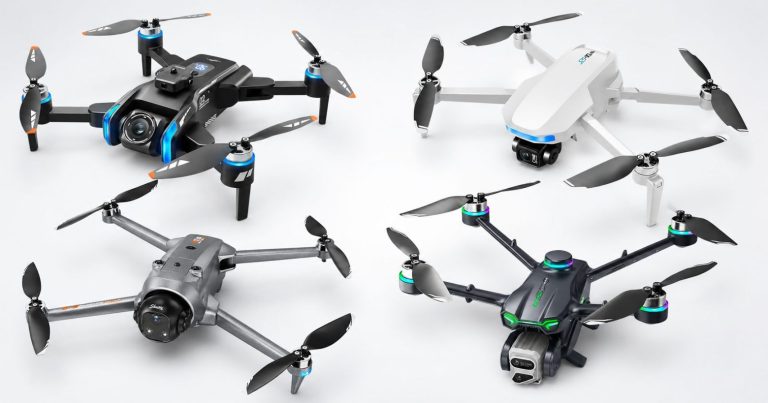
Finding a good camera drone under $200 is possible, but buyers need to compare the right things. At this price point, the best drone is not always the one with the biggest “4K” label or the longest feature list. The better choice is usually the model that gives you the most usable video, the easiest flight experience, and the least frustration after the first few batteries.
For most budget buyers, the real question is not “Which drone has the highest spec?” It is: Which drone can I actually fly well enough to capture decent photos and video?
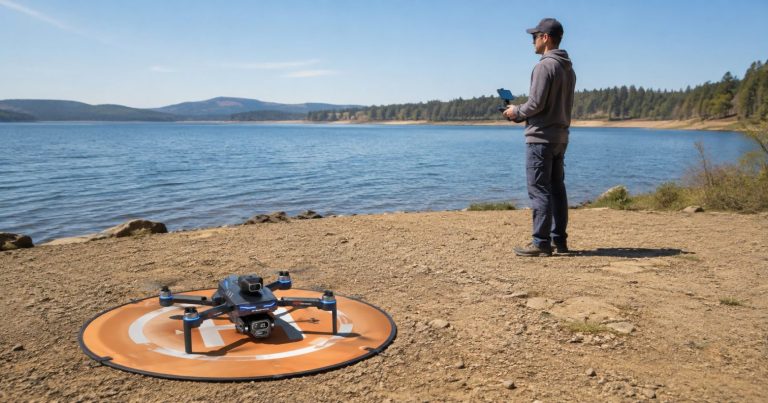
That means you should compare camera quality, flight stability, control method, battery life, weight, and how easy the drone is to set up. A budget drone can be useful for travel clips, family videos, social media content, outdoor practice, and learning the basics of aerial photography. It should not be judged like a professional filming drone.
Quick Answer
For most people shopping under $200, the best camera drone should be easy to control, stable enough for usable footage, and simple enough for casual flying. The DJI Neo is a strong market benchmark in this price range because it combines a very lightweight 135g body, 4K video, palm takeoff, and beginner-friendly operation, with a base version that starts around $149.
However, not every buyer needs the same type of drone. If you are completely new to flying, our full guide to the best camera drones for beginners walks through everything from scratch. If your main goal is photo and video quality, you can also compare the RCDronego Camera Drones collection, where several models sit within a budget price range. If your biggest concern is easy control, the Beginner Drones collection may be a better starting point.
What Buyers Really Want Under $200
Most people searching for the best camera drone under $200 are not trying to build a cinema setup. They usually want one of four things:
- A drone that is easy to learn
- A camera that is good enough for casual photos and video
- Stable flight that does not feel frustrating
- A price that feels safe for a first purchase
This is why budget buyers should be careful with spec-heavy product listings. A drone may advertise 4K video, long range, gesture control, or obstacle avoidance, but those features only matter if the drone is stable, reliable, and easy enough to use in real conditions.
For a first camera drone, a smooth flight experience is often more valuable than an aggressive feature list.
What $200 Can and Cannot Get You
A camera drone under $200 can be useful, but expectations need to be realistic.
At this budget, you can reasonably look for:
- 4K or advertised 4K video
- Lightweight or foldable design
- Basic electronic stabilization
- Optical flow hover for low-altitude positioning
- App-based live view or screen remote options
- Beginner-friendly flight modes
- Short travel clips and casual aerial photos
You should not expect:
- Professional image quality
- True cinematic gimbal performance on every model
- Strong wind handling
- Long-range commercial reliability
- Advanced obstacle avoidance comparable to premium drones
- Perfect video in every lighting condition
A budget drone is best for learning, casual content, outdoor practice, family trips, and social media clips. If you need polished commercial aerial video, you will probably outgrow the under-$200 range quickly.
Why “4K” Alone Is Not Enough
Many budget camera drones advertise 4K, but video resolution is only one part of the final result. A shaky 4K video can still look worse than a steadier lower-resolution clip.
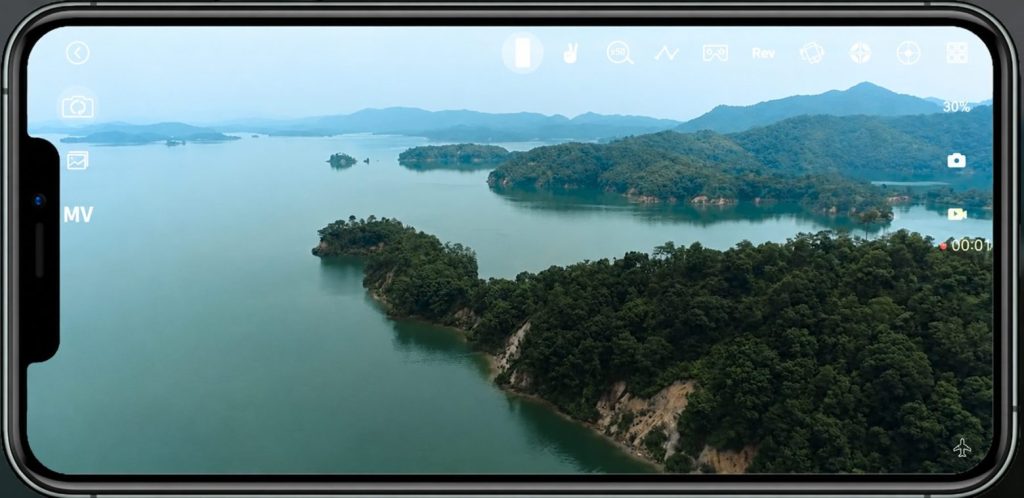
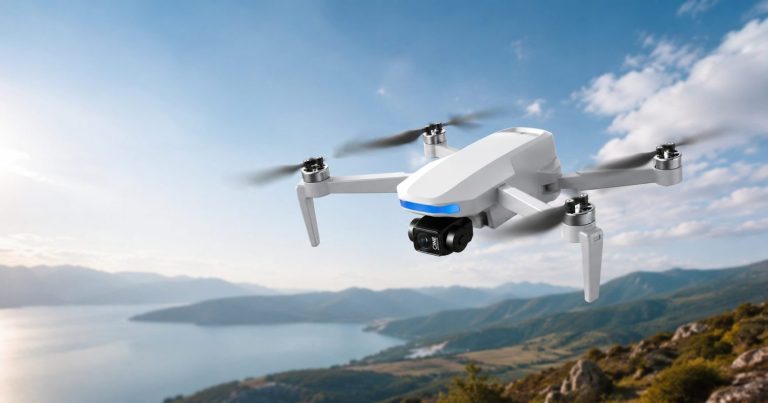
Sample aerial footage captured with one of our camera drones — real-world image quality matters more than the resolution label.
Before choosing a drone, compare these real-world factors:
| Feature | Why It Matters Under $200 |
|---|---|
| Camera resolution | Helps with image detail, but does not guarantee good footage |
| Stabilization | Affects how smooth video looks during real flying |
| Hover stability | Helps keep framing steady at low altitude |
| Flight time | Gives you more chances to capture usable shots |
| Control method | Affects how easy the drone is to fly and frame video |
| Weight | Impacts portability and wind resistance |
| Spare batteries | Makes a bigger difference than many first-time buyers expect |
A useful rule is simple: if two budget drones both claim 4K, choose the one with better stability, better control, and better real-world usability.
Market Benchmark: DJI Neo
The DJI Neo is one of the strongest market benchmarks for shoppers comparing camera drones under $200. It is very lightweight at 135g, beginner-friendly, and designed around quick everyday recording rather than traditional manual drone flying. Its base version typically starts around $149, which keeps it comfortably inside a sub-$200 budget.
Its main advantage is usability. Palm takeoff, subject tracking, QuickShots, propeller protection, and multiple control options make it less intimidating for new users. That matters because many budget drones look impressive on paper but are hard to fly well enough to capture usable footage.
The DJI Neo is a strong fit for:
- First-time buyers
- Casual creators
- Family clips
- Travel moments
- Social media videos
- Buyers who want quick shots without a complicated setup
It is less ideal for buyers who want a more traditional foldable drone experience, longer single-battery flight time, or a controller-focused flying style from the start. For those users, a different budget model may be worth comparing.
Alternative to Compare: Potensic ATOM SE
The Potensic ATOM SE is worth comparing when buyers want a more traditional foldable camera drone experience. It is positioned around outdoor flying, 4K video, lightweight portability, and a longer listed flight time than many palm-sized models.
This type of drone is better suited for buyers who care about outdoor positioning, longer flight sessions, open-area flying, travel scenery, and a more traditional remote-control drone feel.
The important point is price. Budget drone prices change often, especially during sales. Do not assume every recommended model is always under $200. Before buying, always check the current price, package contents, battery count, and whether the version includes the controller or only the aircraft.
A Budget-Friendly Option From RCDronego
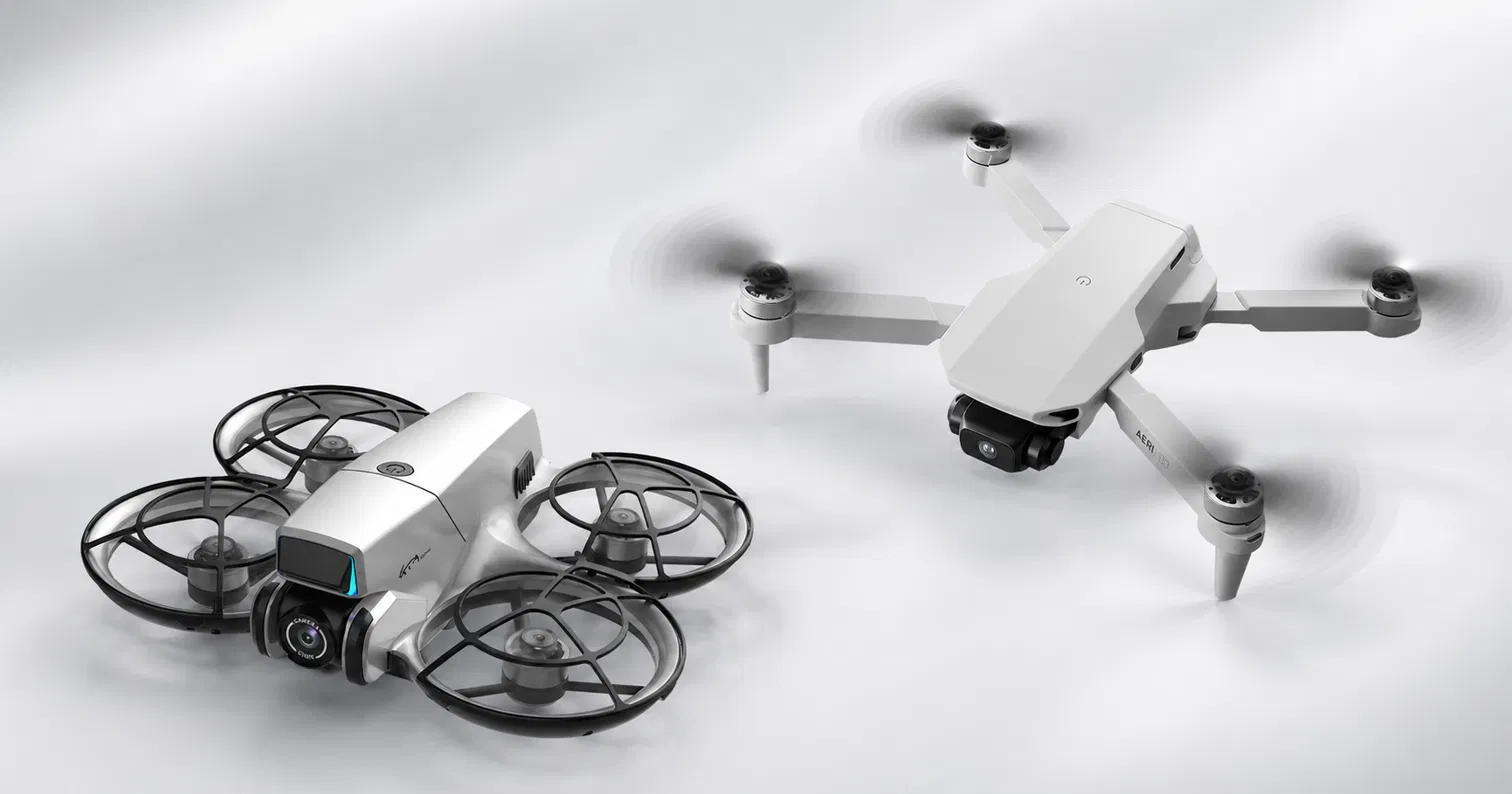
If you would rather compare a model directly from our own lineup, two RCDronego camera drones sit within a budget price range and are built around the same priorities covered in this guide: stable hover, usable 4K-class footage, and beginner-friendly control.
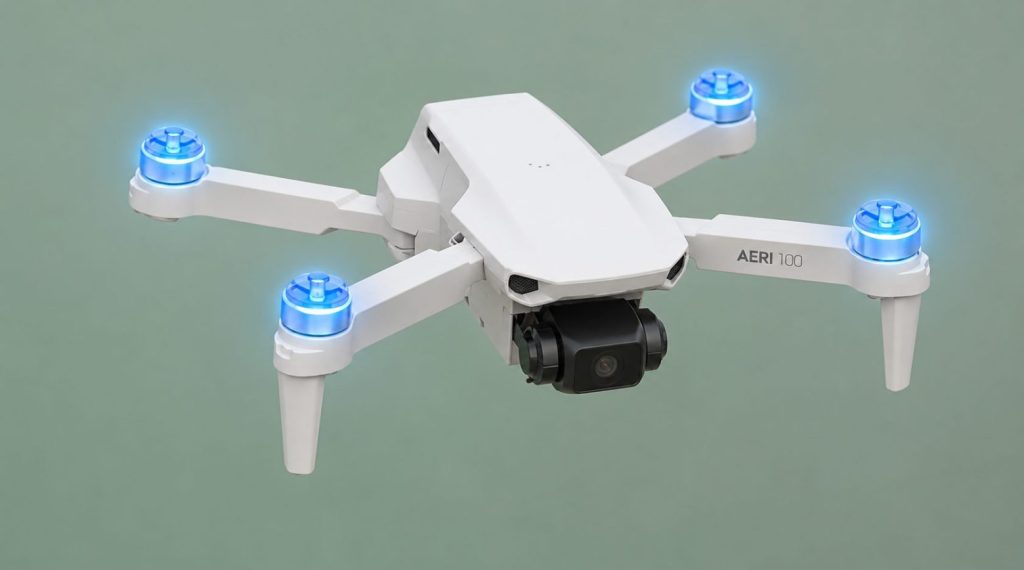
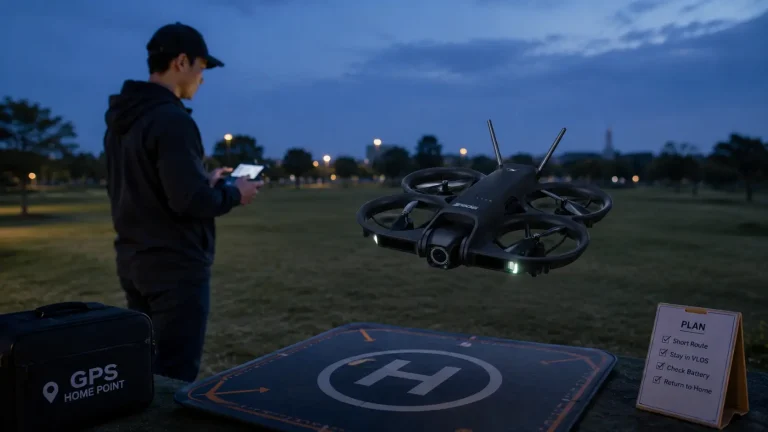
The Aeri 100 is worth a look if you want a lightweight FPV-style camera drone with optical flow hover and an app-controlled flying experience. Its standard version starts at a budget-friendly price, and you can step up to the VR version later if you want immersive first-person flying.
The 143g Brushless Optical Flow Drone is the safer pick if your priority is forgiving, low-stakes practice. It is the lightest model in our camera lineup, ships with a propeller guard, and includes a screen remote so you do not have to rely on your phone. Both are honest budget options rather than spec-stuffed listings, and both are easy to fly well enough to capture usable footage from your very first session.
Be Careful With Larger “Budget” Drones
Some buyer guides include larger drones that are sometimes discounted but often sit above the $200 range. These drones may offer longer flight time, larger bodies, or more traditional camera-drone handling, but they are not always true under-$200 options.
This is where buyers need to be careful. A drone that appears in a budget guide may not be under $200 today. It may only fit the budget during a sale, coupon period, or older listing.
Before choosing a larger budget drone, check the current price, takeoff weight, battery count, camera stabilization, return policy, spare parts availability, app reviews, and real customer feedback.
For under-$200 buyers, predictability matters. A cheaper drone that is easier to fly may be a better purchase than a larger model with more features but weaker reliability.
Best Use Cases by Buyer Type
| Buyer Type | Best Fit | What to Prioritize |
|---|---|---|
| First-time buyer | Lightweight beginner-friendly camera drone | Easy takeoff, stable hover, simple controls |
| Travel shooter | Foldable camera drone | Portability, flight time, packability |
| Social media creator | Quick-shot camera drone | Fast setup, tracking, easy video capture |
| Gift buyer | Simple beginner drone | Safer design, easy controls, less setup |
| Outdoor hobbyist | Camera drone with longer flight time | Range, stability, battery life |
| Casual family user | Lightweight camera drone | Usability, storage, basic video quality |
What to Check Before Buying
1. Camera Quality Beyond the Label
Do not choose by “4K” alone. Look for stabilization, image transmission quality, lens angle, and whether the drone can hold steady enough to frame a shot. In budget drones, real-world footage depends heavily on stability and control.
2. Flight Time
A longer flight time gives you more chances to practice and capture usable clips. However, listed flight time is usually measured in ideal conditions. Wind, speed, temperature, recording, and battery age can reduce real flight time.
3. Stability and Hover Support
For beginners, hover stability is one of the most important features. Optical flow hover helps the drone hold its position at low altitude, which makes it easier to frame, easier to control, and less stressful to fly. A drone that hovers more steadily is almost always the better budget buy.
4. Control Method
Some drones use a phone app. Some include a standard remote. Some offer a screen remote. Others can launch with simplified palm or gesture controls. Choose based on how you want to fly. If you do not want to rely only on a phone, a screen remote or controller-based model may feel easier. If you want quick casual clips, a lightweight app-friendly drone may be enough.
5. Weight and Portability
Weight affects both portability and how the drone handles wind. Lighter drones are easier to pack and carry, which means you are more likely to actually use them, but very light models can also be harder to control in a breeze. Most camera drones in this budget range are built to stay under 250g.
A quick note on registration: drone rules depend on weight, where you fly, and whether the flight is recreational or commercial, and they change over time. We cover the 250g threshold and what it means in detail in our guide to sub-250g drones and registration — check that, and your local aviation authority, before your first outdoor flight.
6. Spare Batteries and Parts
For budget drones, spare batteries and replacement propellers matter. A drone with only one short battery can feel frustrating quickly. A model with better parts support is usually easier to own. Buying a two- or three-battery package up front is the cheapest way to extend a shooting session.
RCDronego Buyer’s Checklist
Before choosing a budget camera drone, ask these questions:
- Will I fly mostly indoors or outdoors?
- Do I want a built-in screen remote?
- Is this my first drone?
- Do I care more about video quality or easy control?
- How important is flight time?
- Will I carry it for travel?
- Are spare batteries and replacement propellers available?
If your answers point toward photos and video, start with camera-drone features. If your answers point toward first-flight safety, start with beginner-friendly drones.
Realistic Expectations
A drone under $200 can be worth buying if you judge it correctly. It should be viewed as a practical learning and casual content tool, not a professional aerial camera platform.
Budget drones are good for learning basic flight control, capturing casual outdoor clips, taking family or travel shots, practicing aerial framing, creating short social media videos, and testing whether you enjoy drone flying. They are not ideal for paid commercial video work, strong wind conditions, professional color grading, long-range filming, high-end cinematic footage, or heavy accessory use.
The best budget purchase is the drone you will actually use, not the one with the longest feature list.
Final Recommendation
For most buyers, the best camera drone under $200 should balance ease of use, stable footage, useful camera quality, and realistic ownership costs. The DJI Neo is a strong market benchmark for lightweight, beginner-friendly camera use at around $149. The Potensic ATOM SE is worth comparing if you want a more traditional foldable camera drone and can find it within your budget. And if you would rather buy direct, the Aeri 100 and 143g models from RCDronego are honest budget options built around stable hover and easy control.
But the right choice depends on your use case. First-time pilots should prioritize stable hover and simple controls. Travel users should compare foldable design and flight time. Casual creators should focus on quick setup and usable video quality. For a broader look at choosing your first camera drone beyond just budget, see our complete beginner camera drone guide.
Frequently Asked Questions
The best camera drone under $200 depends on the buyer. A lightweight beginner-friendly model is usually best for first-time users, while a foldable camera drone may be better for outdoor travel flying. The DJI Neo is a strong market benchmark at around $149, but buyers should compare current pricing and use case before choosing.
Yes, a 4K drone under $200 can be worth it for casual video, travel clips, and social media content. However, stabilization, hover quality, and flight control matter just as much as the resolution label. A steady 4K clip beats a shaky one every time.
Many capable beginner camera drones now fall between $149 and $260. Under $150 you can still find genuinely good options like the DJI Neo, but be cautious of toy-grade drones below $100 with weak cameras and unstable hover. Spending a little more on stability and spare batteries usually pays off faster than chasing a higher resolution number.
Avoid choosing only by the highest advertised resolution. Also avoid models with unclear battery life, poor app reviews, no spare parts, weak return policies, or exaggerated feature claims that are not supported by real-world usability.
A budget camera drone can be good for travel if it is lightweight, foldable, stable enough for outdoor clips, and easy to pack. Extra batteries and reliable controls are especially important for travel use, since you will not always have a place to recharge.
For a budget drone, two or three batteries is the sweet spot. A single short battery often means six or seven minutes of flight before you are grounded again. Many drones, including the DJI Neo, offer multi-battery bundles that triple your shooting time for a small price increase, which is usually better value than buying the bare model.